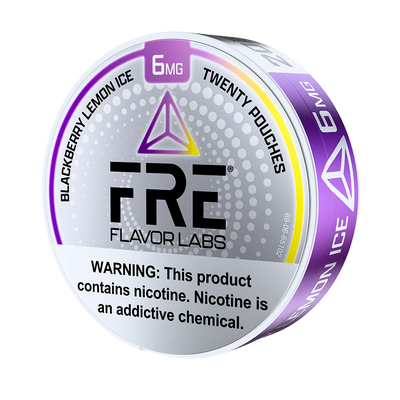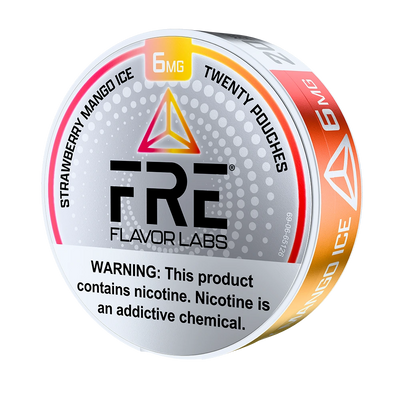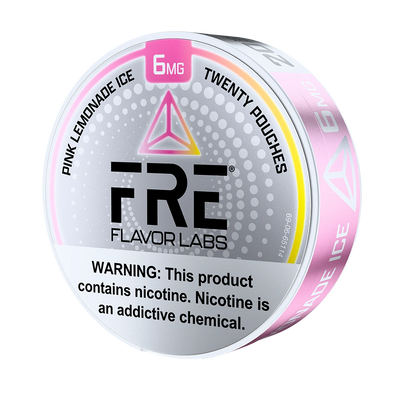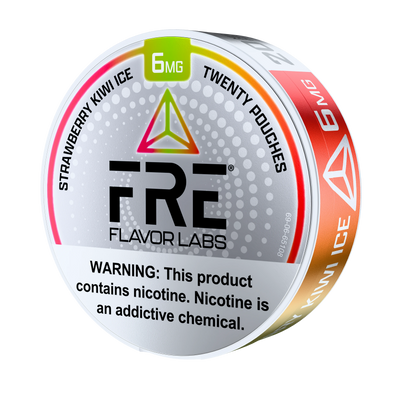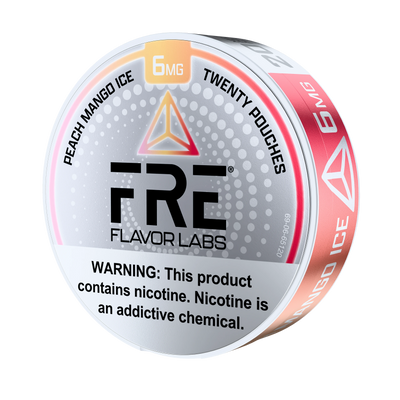


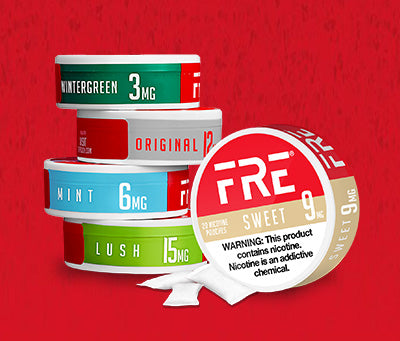


For an adult nicotine consumer, selecting a product often involves scanning a tin for a single, prominent figure: a 3, 6, 9, or perhaps a 12, followed by the lowercase letters "mg." While these numbers are frequently used to navigate different nicotine strength range levels in pouches, it is easy to mistake them for broad marketing tiers or brand-specific categories.
Are these strength options merely labels for consumer preference, or are they precise data points? The purpose of this guide is to demystify the nicotine pouch milligram meaning using technical specifications and regulatory standards.
By moving past marketing aesthetics and understanding the chemistry of the pouch, consumers can make informed decisions based on the same objective data reported to bodies like the FDA and the European Union’s regulatory agencies.
A Measure of Weight, Not Volume
In the context of nicotine pouches, “mg” stands for milligram, a standard unit of mass. This represents the absolute weight of the nicotine content per pouch. Unlike liquid-based alternatives, where nicotine is often described by how much is present in a specific volume of liquid, pouch measurements are grounded in the physical mass of the ingredient integrated into the filler material.
Technical Distinction: mg vs. mg/mL
-
mg (Milligram): An absolute measurement of mass. In pouches, this represents the weight of nicotine per individual pouch unit.
-
mg/mL (Milligrams per Milliliter): A measurement of concentration (mass per volume). This is used for e-liquids and vaping products to describe how much nicotine is suspended in the carrier liquid.
This distinction ensures product consistency. For manufacturers, reporting the "mg" count is not about branding but ensuring that every batch meets the precise weight-based specifications submitted to regulators. When asking how nicotine strength is listed, the answer is almost universally by mass (mg) per individual unit.
The Per-Pouch vs. Per-Can Calculation: mg Per Pouch Explained
When a label displays a milligram count, it specifically refers to the nicotine content per pouch. This is the exact weight of nicotine in a single individual serving. However, two containers may appear identical in size, but variations in the number of pouches or the per-unit weight can significantly alter the total nicotine mass.
Regulatory agencies emphasize that product information must be understandable and not misleading. When interpreting nicotine pouch strength consumers should be aware of the total nicotine load within a can. Calculate this by multiplying the pouch count by the mg per pouch, which is found on the lid.
Decoding the “Highest Milligram” Label Numerically
Search trends for the highest milligram nicotine pouches often focus on finding the most potent options available on the market. From a technical and regulatory perspective, these labels represent a higher concentration of nicotine salts or tobacco-derived nicotine by weight.
The highest mg nicotine pouch label meaning should be viewed through a neutral, clinical lens. Higher numbers are not indicators of product superiority or quality, but are objective chemical measurements used by regulators to monitor consistency and safety.
Why Strength and Flavor Are Chemical Strangers
A common misconception when deciding what strength nicotine pouch to purchase is that the flavor profile and the nicotine mass are intertwined. In reality, technical regulatory frameworks like the Premarket Tobacco Product Application (PMTA) process treat nicotine strength and flavor as entirely separate chemical variables.
The FRE pouches ingredients are typically divided into three distinct categories:
-
The Active Source: Nicotine salts are specifically reported as total or unprotonated nicotine.
-
Flavorants: Regulators monitor for specific compounds used to create a profile like menthol, vanillin, or ethyl acetate to assess safety.
-
Stabilizers and Fillers: Ingredients such as plant-based fibers, propylene glycol (PG), or glycerol (VG) act as carriers and maintain moisture.
Because flavorants do not alter the nicotine mass, a 6mg mint pouch and a 6mg watermelon pouch have identical nicotine weights. Flavor is a sensory additive while the "mg" strength is a fixed chemical mass.
The nicotine pouch industry is experiencing a profound shift away from subjective marketing and toward a science-based understanding of "mg" weights. FRE supports this approach through clear labeling on its smoke-free, spit-free, adult-use-only nicotine pouches.
As these science-based labels become the global standard, a deeper understanding of the "mg" count allows for a more objective evaluation of products based on their chemical composition.
Review FRE’s nicotine strength listings to better understand how milligram measurements are presented and how to interpret product labeling before making a purchase decision. Visit FREs selection of products made with nicotine derived from non tobacco sources and no tobacco leaves or use the store locator to find products near you.
FRE nicotine pouches contain nicotine. Nicotine is an addictive chemical. Intended for adult nicotine consumers only.