



If you've ever picked up a can of nicotine pouches and felt baffled by the array of numbers and dots, you're not alone. For adult consumers looking to understand these products, the variety of labels can make it difficult to know what the strength information actually represents. Without a clear understanding, choosing a product can feel more like a guess than an informed decision.
Nicotine Pouch Strength Explained: Reading Labels with Confidence
This article serves as a nicotine pouch strength guide, explaining how labels are intended to be read and demystifying nicotine pouch strength labels. We will break down what the numbers and terms mean, focusing specifically on the milligram (mg) amount listed on the can. The goal is to provide clear, straightforward information so you can understand product labels and make choices based on your personal preferences.
Understanding Nicotine Pouch Strength as a Reference Point
When it comes to understanding nicotine pouch strength, the key is realizing that strength labels are meant to be reference points. Here’s how adults typically use this information:
-
Comparing across brands: Labels allow you to see where products sit within a range of strengths.
-
Identifying product categories: Strength numbers help group products (like “regular” or “strong”) for easier navigation.
-
Tracking consistency: If you have a preferred level, the numbers make it easier to stick with what you know.
It’s just as important to know how not to interpret these labels. They aren’t meant to rank products or predict how long a pouch will last. Nicotine pouch strength comparison is about transparency and reference but can't really describe what kind of experience you’ll have.
Why Nicotine Pouch Strength Labels Aren’t Comparable Across Product Types
It’s tempting to compare nicotine pouch mg levels to the numbers on other nicotine products, like gum or patches. But here’s the catch: labeling conventions, product formats, and delivery methods all differ. Nicotine pouch strength labels are best used to compare products within the pouch category. Milligram numbers work as an internal yardstick, not a universal conversion chart. So, nicotine pouch labeling explained: keep apples with apples, not oranges.
How Much Nicotine Is in a Pouch?
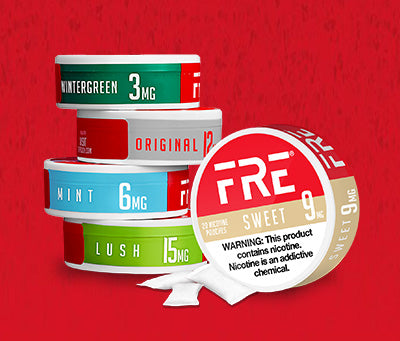
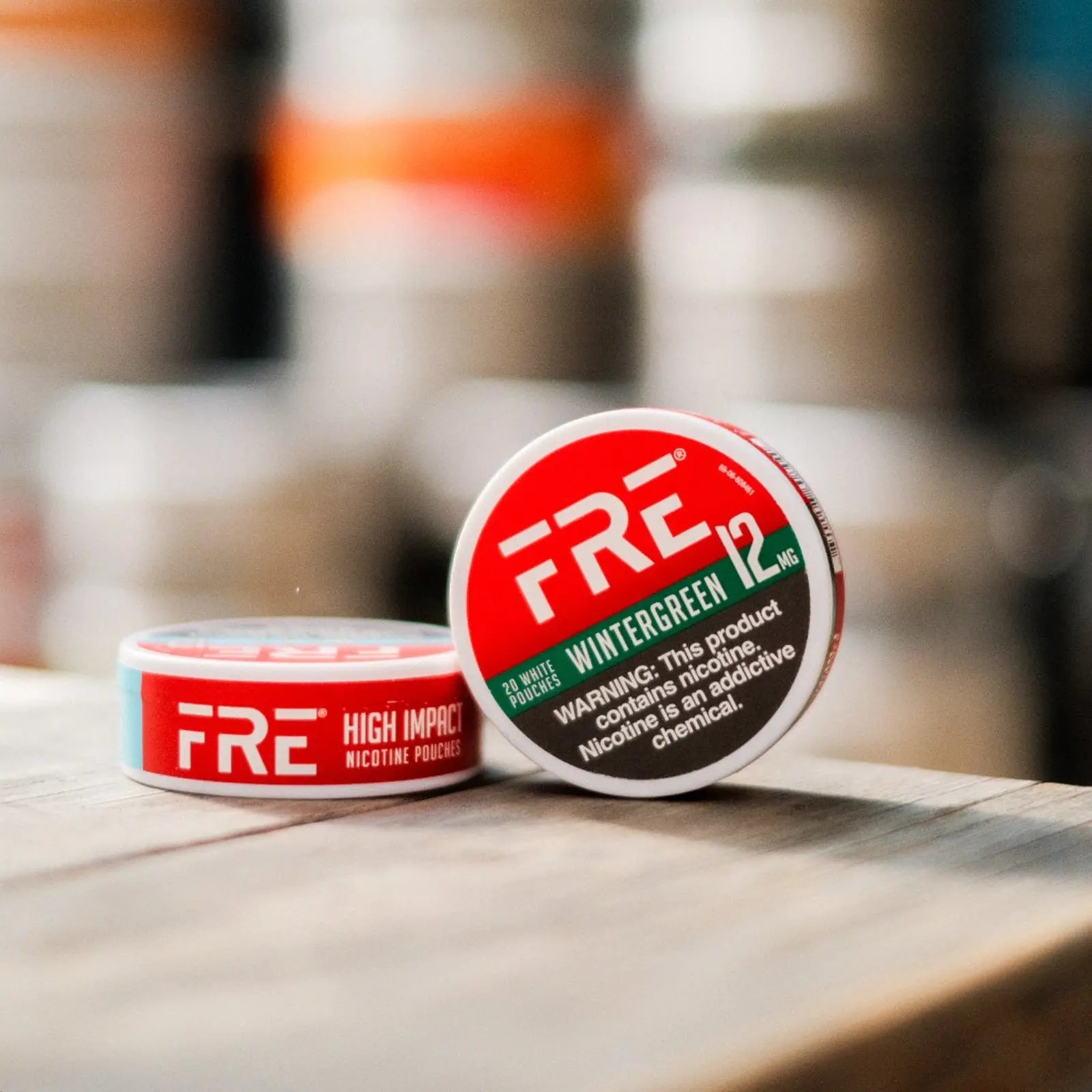
In the United States, the primary method for labeling nicotine pouch strength is both simple and direct. The number prominently displayed on the can represents the amount of nicotine contained in milligrams (mg) per individual pouch.
In simple terms, nicotine pouch strength is a quantity label, similar to how caffeine is measured in milligrams on beverages or supplements. For example, a product labeled “6 mg” contains six milligrams of nicotine in each pouch. This is part of nicotine content in pouches disclosure and is required for transparency.
It’s important to note that this number reflects content, not effect. It does not predict how a pouch will be perceived or experienced by different individuals. These numbers allow adults to see relative differences between products, but they do not define personal responses. Because labeled milligram amounts reflect content rather than individual response, they are designed to support comparison across products rather than predict how any one person will interpret or evaluate them.
Nicotine Pouch Strength Comparison: Understanding Available Ranges
If you look across the shelves, you’ll notice a wide variety of labeled strengths. Strength numbers exist to support comparison, but this does not mean that stronger is better. Multiple categories like “mild,” “regular,” and “strong” are intended to help adults find what fits their familiarity and needs, rather than encourage any particular choice. There’s no hierarchy, just more information for you as a consumer.
Even if you choose a pouch within a common range, the milligram number isn't the only factor at play. In fact, the perceived strength can be influenced by other elements like flavor and moisture.
How Flavor and Format Affect Nicotine Pouch Label Interpretation
While the milligram number on a can is a fixed measurement of nicotine content, the user's perception of strength can vary. Factors like flavor profile and the moisture level of the pouch can influence how strong a product seems.
The Impact of Flavor
Some adult consumers note that flavor descriptors can shape expectations before use. For example, mint or citrus flavors are often described in product naming or marketing as “cool” or “bright,” which may influence how users mentally categorize a product when comparing labels. Importantly, these flavor descriptions do not change the labeled nicotine content and should be understood as separate from the milligram amount listed on the can.
The Impact of Moisture
Nicotine pouches can also vary in physical characteristics such as moisture level, which are typically determined by product design rather than strength labeling. These characteristics are not reflected in the milligram number and are not part of how nicotine content is disclosed. As a result, strength labels should be read independently from other product attributes.
Choosing Nicotine Pouch Strength: Preference, Not Performance
Strength labels are not a scoring system, and a larger milligrams per pouch amount does not indicate superior quality, effectiveness, or suitability. Higher numbers don’t mean better, and lower numbers aren’t necessarily safer or weaker in any meaningful sense. The purpose of strength labeling is to help you distinguish products, maintain consistency if you have a favorite, and make decisions with a little more context.
-
Labeled strengths can serve as a neutral reference point while you get familiar with different products.
-
Labeled strength exists to help adults distinguish between products
-
Labeled strength can help users maintain consistency when comparing or repurchasing items they are already familiar with.
When reviewing nicotine pouch labels, just know that strength numbers function as neutral reference points rather than signals of any expected outcome.
How to Use Nicotine Pouch Information Without Confusing Strength Labels
Questions about how to use nicotine pouch products, meaning instructions for placement or duration, are typically addressed separately from strength labeling, elsewhere on packaging or in brand materials.
The milligram number is strictly about content, not about usage directions. Keeping these concepts distinct helps ensure that you’re using strength labels as intended: as a straightforward disclosure of nicotine content in mg per pouch.
Understanding the numbers on a nicotine pouch can make product choices feel less opaque. FRE supports this approach through clear labeling on its smoke-free, spit-free, adult-use-only nicotine pouches. Visit FREs selection of products made with nicotine derived from non tobacco sources and no tobacco leaves or use the store locator to find products near you.


