



Key Takeaways:
-
Yes, nicotine is naturally present in tobacco plants.
-
Nicotine can also be produced synthetically without using tobacco.
-
“Tobacco-leaf-free” means no tobacco plant material is included in the final product.
-
Regardless of origin, purified nicotine has the same chemical structure.
If you've looked at a tin of nicotine pouches lately, you probably saw phrases like tobacco-leaf-free, synthetic nicotine, tobacco-derived nicotine, or non-tobacco nicotine—sometimes all on the same shelf. These terms can be confusing, especially when stacked against one another. Does one imply there’s no tobacco involved? Does another suggest the nicotine is somehow different?
While the language sounds technical, the ideas behind it are more straightforward. Most of these definitions come down to two things: where the nicotine came from, and whether any tobacco plant material is included in the finished pouch.
This guide explains how nicotine is sourced and produced, and how those differences show up in labeling, so you can better understand what you’re reading on modern nicotine products.
Where Does Nicotine Come From?
Nicotine is a specific chemical compound with a defined molecular formula: C₁₀H₁₄N₂. Nicotine can be produced in two different ways:
-
Extraction from tobacco plants: Nicotine is isolated from harvested tobacco leaf and refined into a purified ingredient.
-
Laboratory production (synthetic processes): Nicotine is produced through controlled chemical synthesis without using tobacco plants at any stage. The finished compound is then purified, just as extracted nicotine is.
In both cases, the final nicotine molecule is the same. The body does not distinguish between nicotine extracted from a plant and nicotine produced synthetically. In short, once purified, nicotine is nicotine.
What Is Tobacco-Free Nicotine?
When a product is labeled “100% tobacco-leaf-free,” “no tobacco plant,” or "tobacco-free," they are describing what’s not in the pouch—no leaf, no ground tobacco, no extracts, no tobacco plant material whatsoever. However, none of these labels mean nicotine is absent. They simply tell you that tobacco leaf itself isn’t part of the finished formula.
As nicotine pouches became more common, brands began clarifying this distinction more clearly. Traditional tobacco products contain plant material. Modern pouch formats typically do not. The label helps differentiate between the two.
Is Nicotine Naturally in Tobacco?
Yes. Nicotine is naturally present in tobacco plants. It develops in the roots of the plant and accumulates in the leaves. Within the plant, nicotine functions in part as a defense mechanism against insects and herbivores.
Nicotine has historically been extracted from tobacco leaves for use in various products. Through a series of purification steps, manufacturers isolate nicotine from the plant material, removing leaf matter and other compounds until only purified nicotine remains.
At the same time, nicotine as a molecule is not the same thing as tobacco leaf. Once isolated and purified, nicotine exists as a standalone chemical compound. Whether it began in a field or in a laboratory, its molecular structure remains the same.
Tobacco-Leaf-Free Nicotine vs. Synthetic Nicotine
In many cases, these terms overlap, but they don't mean the same thing. "Synthetic nicotine" refers to how the nicotine was made. It means the molecule was produced in a lab rather than extracted from a tobacco plant. "Tobacco-leaf-free" describes the finished product. It tells you that no tobacco plant material is included in the pouch itself.
-
Synthetic nicotine: produced without using tobacco plants.
-
Tobacco-leaf-free: contains no tobacco plant material in the finished pouch or formulation.
In short, a product made with synthetic nicotine will also be tobacco-leaf-free. But “tobacco-leaf-free” doesn’t automatically tell you the full sourcing pathway unless the label specifies it. One term focuses on production. The other focuses on composition.
Synthetic Nicotine vs. Natural Nicotine
You might also see nicotine described as “synthetic” or “natural.” “Natural nicotine” typically refers to nicotine extracted from tobacco plants. The word “natural” describes the plant origin, not a different chemical structure.
“Synthetic nicotine” refers to nicotine created through chemical synthesis in a laboratory setting. No tobacco plants are used in its production.
Once purified, both forms share the same chemical formula, structure, and properties.
How to Differentiate Between Tobacco-Leaf-Free and Nicotine-Specific Language
When you pick up a nicotine product and scan the label, you’re likely trying to answer two simple questions:
-
Where did the nicotine come from?
-
Is there any tobacco plant material in this pouch?
If you keep those two ideas separate in your mind, the terminology becomes much easier to navigate. Nicotine can come from a plant or be produced in a laboratory. A pouch can contain nicotine without containing tobacco leaf. Once you understand these distinctions, phrases like “tobacco-leaf-free” or “synthetic nicotine” start to make more sense. They’re describing origin and composition, not a different molecule.
FRE Nicotine Pouch's Approach to Ingredient Transparency
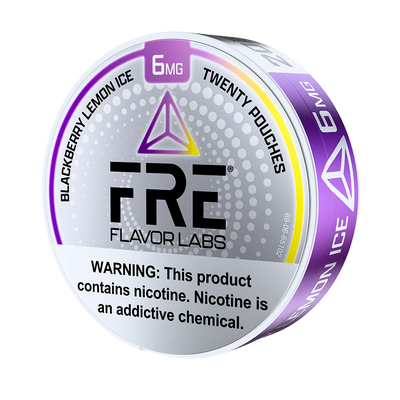
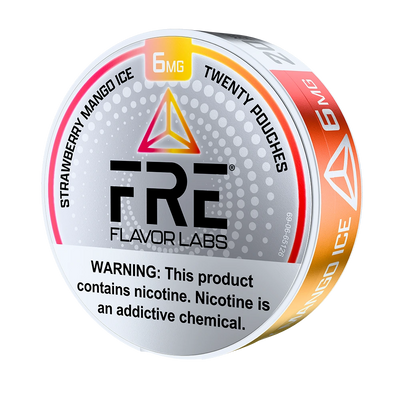
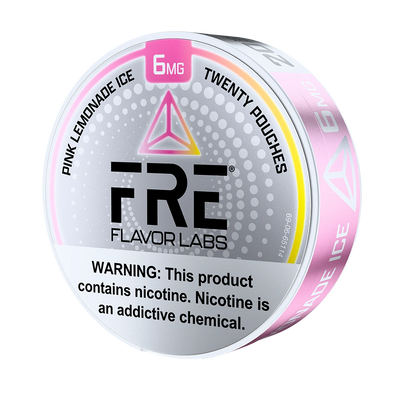
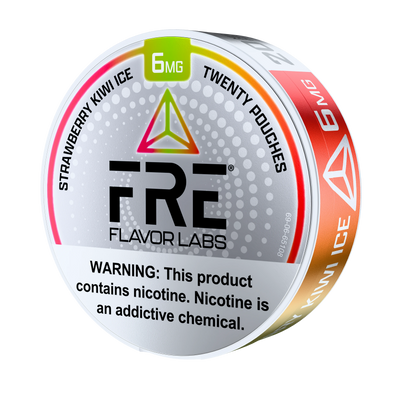
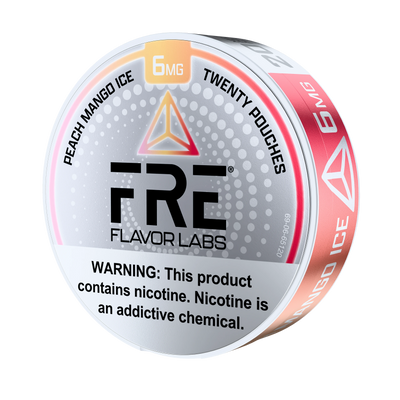
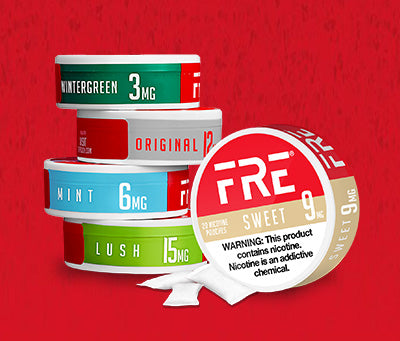
When you understand how nicotine is sourced and how labels describe it, you’re in a better position to evaluate what’s in any pouch you pick up. At FRE, we build that clarity directly into our product approach. FRE nicotine pouches are 100% tobacco-leaf-free and made with synthetic nicotine, with no tobacco plant material in the pouch.
Explore FRE’s ingredient transparency and product labeling details to see how nicotine sourcing and terminology are clearly presented, so you can better understand what’s included in modern nicotine products.