




Beer die is a competitive dice-tossing drinking game built around accuracy, reaction time, catching, and very serious people enforcing extremely unserious rules. Beer die, also spelled beer dye, is a table-based drinking game where players throw a single die high into the air, try to make it land on the opposing team’s side of the table, and tossing teams score if the die bounces off the table and falls to the ground before the other team catches it. It's something a bit like beer pong’s scrappier, more athletic cousin.
How to Play Beer Die
Usually, the game is played two-on-two on a long table, often an 8-by-4-foot plywood table. Each player has a cup near their corner.
The basic rhythm is:
-
A player tosses the die underhand, usually above a required height, often 8 to 10 feet, depending on whose backyard constitution is being enforced.
-
Land it on the opponent’s half, making it bounce off the table.
-
Hope the defending team fails the one-handed catch. The defending team tries to catch the die with one hand before it hits the ground.
-
Argue for three minutes about whether the toss was high enough.
-
If the defending team fails to catch the die, the throwing team scores. If the die lands in a cup, that’s usually called a sink, plunk, or sploosh, and it triggers points and/or drinking rules.
Because this game lives in a strange zone between sport and porch folklore, common beer die variations mostly come down to house rules, which vary wildly. Games are commonly played to 9, 11, or sometimes 7 points. “Win by two” is common, but some groups cap the game so it doesn’t become a generational saga.
Beer Die Variations
Some versions require players to say “dye up” before throwing; some have special rules for numbers like 5 and 7; some include drinking penalties for missed throws, cup hits, or sinks.
There are also different offensive team rules for a sink, also called a plunk or sploosh, when the die lands in an opponent's cup. In some rule sets, the offensive team is awarded points, and the defending team is forced to finish drinks.
A plink, body, or ting is when the tossing team’s die hits the opponent's cup but doesn’t go in. Depending on the group, that may be dead with no point, a drinking penalty, or just one of those moments where everyone yells the same word and no points are awarded.
Rules for defensive teams vary, too. Most versions require one-handed catches only. Some allow defensive player juggling or bobbling as long as the die never hits the ground. Others say once you touch it, you have to secure it cleanly. Many rule sets ban body traps, two-hand catches, reaching over the table, or pinning the die against yourself or another object.
The safest move before playing is to ask, “What house rules are we using?” before someone named Tyler starts prosecuting you under the 2016 Garage Amendment.
Beer Die Equipment and Set Up
-
A long table, usually a 4-by-8-foot plywood table.
-
Four solo cups, one near each corner of the table.
-
One or two standard 16mm dice
-
And finally, you need beverages
Traditionally, the beverage is beer, with each player’s cup filled before the game is played, but plenty of people use water, soda, or something nonalcoholic if they want the game without the next-day skull tambourine.
Optional but useful: A marked center line, a way to track points scored, measuring tape for cup placement, a decent outdoor space, and house rules agreed on before
Tips for Hosting the Perfect Beer Die Game
For hosting a good beer die game, you want the game to feel casual, but the setup needs to be clear enough that nobody spends twenty minutes litigating whether the die went high enough.
Start with the table.
The common setup is a 4-by-8-foot plywood table, divided down the middle, roughly 3 to 3.5 feet off the ground. A decent bounce matters, so flimsy folding tables can make the game feel a bit lawless.
Cups go near the four corners.
Have one per player, and you’ll want two dice, four players, and enough open vertical space that throws can actually clear the required height. Some rule sets specify an 8-foot minimum toss, so trees, ceiling fans, patio lights, and low porch beams become instant enemies.
Before anyone throws, announce the house rules.
This prevents the ancient backyard demon known as “Wait, that doesn’t count.” Decide the target score, whether you’re playing to 7, 9, 11, or another number; whether you must win by two; what counts as a legal catch; what happens on a sink; and what the height rule is. Also, define defense: one-handed catches, no body traps, no reaching over the table, etc.
Make the play area safe-ish.
You need space around the table because people will lunge for the die with sudden, surprising athletic confidence for someone who has not stretched since 2014. Move chairs, coolers, planters, glass objects, fire pits, and lawn clutter away from the table. If you’re playing at night, a tiny white die disappearing into the grass will require good lighting.
Use cups thoughtfully.
Some people use pint glasses, but for casual hosting, lean toward durable cups unless your group is unusually trustworthy around glass and gravity.
Keep the pace moving.
Have a visible scoreboard, even if it’s just chalk, tape, a whiteboard, or someone’s phone.
Drinking rules are often optional or house-specific.
Provide food and snacks, offer water, soda, NA beer, “drink what you brought” cups, or other alcohol-free beverages, and help guests get home safely. Food can slow alcohol absorption, and nonalcoholic drinks give people options.
Players should have a ride-home plan before the game starts. Hosts can post rideshares, designated drivers, or offer a spare couch.
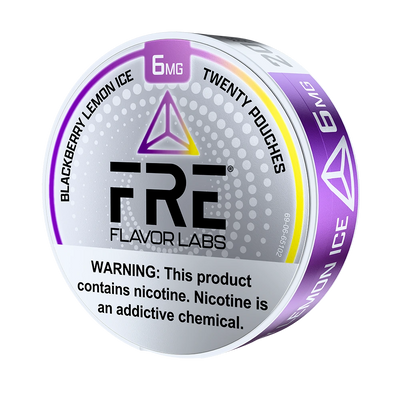
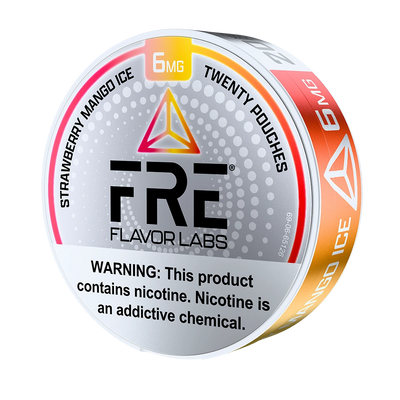
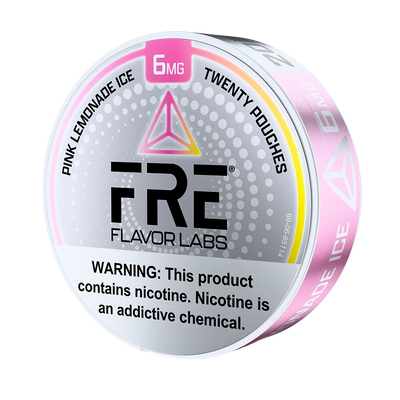
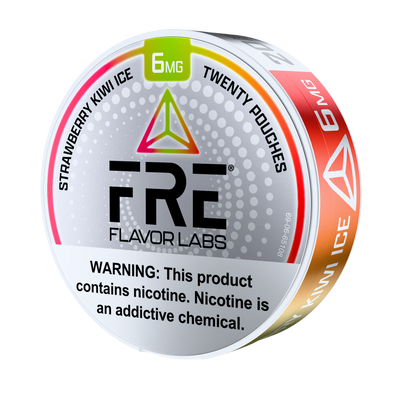
Bring FRE to Your Next Beer Die Game
Setting up your next beer die match? Don't let smoke breaks pull you out of the game. FRE nicotine pouches go where you go — no flame, no break, no fuss — so you can stay locked in for every roll, sink, and trolley. Browse FRE flavors and strengths online or find a retailer near you, and check out our partner Dye is Life for everything else you need to set the table.