



If you use nicotine pouches or you’re thinking about trying them, it’s normal to take a closer look at how they fit into your everyday routine. One of the most common questions people ask is relatively straightforward: do nicotine pouches stain your teeth?
The short answer isn’t about a single product or a guaranteed outcome. Tooth staining is usually influenced by various daily habits, repeated exposure to pigmented products, and where substances make contact with your teeth. Understanding how staining typically happens and how smoke-free nicotine options are used can help you get to the bottom of how these products might affect your oral appearance.
What Usually Causes Teeth to Stain
To better understand nicotine pouches effects on teeth, it helps to know how most tooth staining occurs. Usually, stains come from external pigments in things we consume. Common culprits include beverages like coffee, tea, red wine, and dark sodas, as well as habits like smoking or chewing tobacco.
These substances leave behind colored compounds that stick to tooth surfaces over time, gradually yellowing or darkening them. For example, tar from cigarette smoke is dark and sticky and deposits a brownish residue on teeth every time you smoke. Red wine's anthocyanins—natural, dark-colored compounds from grape skins that give red wine its deep color—and tannins work together to adhere to your teeth, causing staining with regular use. Overall, the more frequently your teeth come in contact with such staining agents (and the longer they sit before you brush), the more discoloration you're likely to notice.
Other factors like poor oral hygiene and natural aging can make staining more pronounced, but day-to-day diet and habits are usually the main causes of tooth color changes.
Why Nicotine Pouch Placement Matters
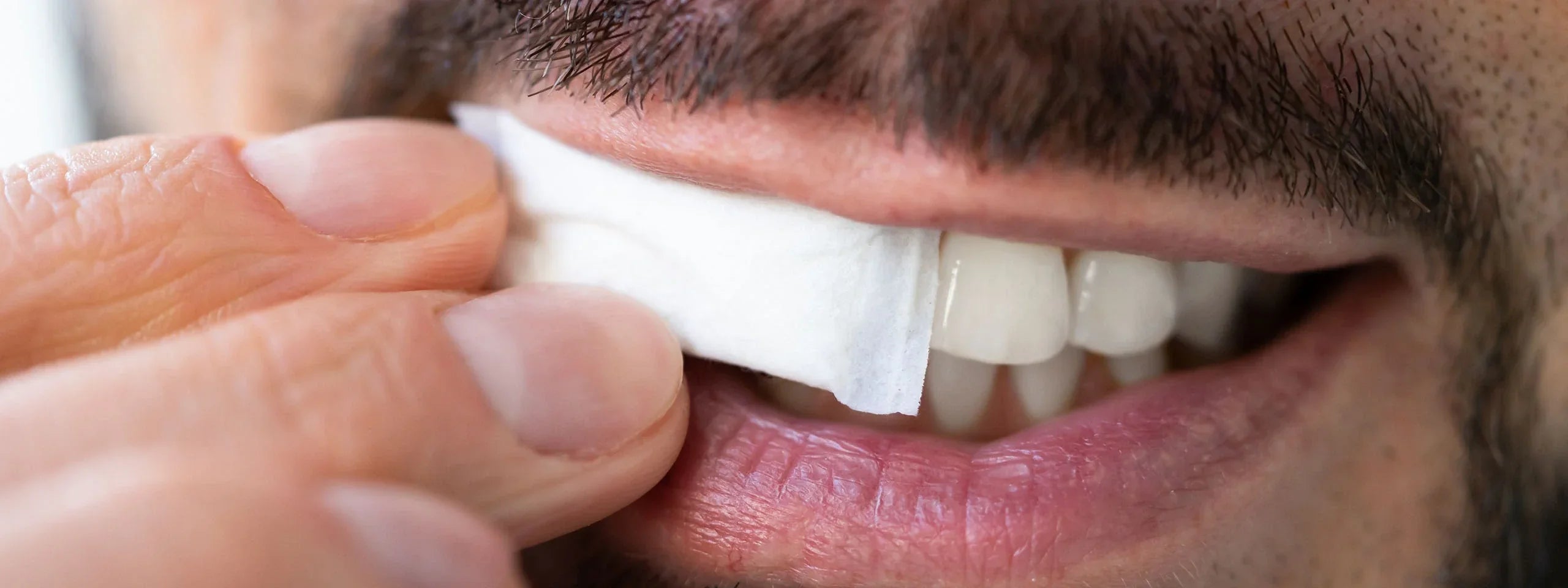
Nicotine pouches are small white packets containing nicotine (from tobacco-derived or synthetic sources) plus fillers and flavorings. They are tobacco-leaf-free, meaning they don’t include the actual tobacco plant matter that traditional chewing tobacco or snus has. To use one, you place the pouch between your lip and gum, typically under your upper or lower lip off to the side.
Because nicotine pouches are smoke-free and spit-free, there's no burning and no tobacco juice involved. In other words, no tar-filled smoke and no dark liquid are generated that could coat your teeth. And unlike products that move freely around the mouth, a pouch stays put until it’s removed.
Do Nicotine Pouches Leave Residue on Teeth?
Some users notice a temporary sensation after removing a pouch. This might feel like moisture, flavor, or a slight film in the mouth. That feeling usually passes as saliva continues to circulate, and many people find that a sip of water clears it quickly.
What’s important to understand is that short-term sensations aren’t the same thing as long-term staining. Staining typically comes from pigments repeatedly contacting tooth surfaces over time. Since nicotine pouches stay in one place and don’t spread across the teeth, they don’t behave the same way as pigmented foods or drinks.
That’s why many adults report no noticeable change in tooth color from nicotine pouch use. When changes are noticed, they’re often subtle and develop slowly, making it difficult to separate them from other everyday factors like diet or beverage habits.
So, Do Nicotine Pouches Stain Teeth?
In general, nicotine pouches are not commonly associated with noticeable tooth staining. They don’t involve smoke, tar, or dark liquids, and they aren’t used in a way that regularly exposes teeth to pigments.
That said, experiences can vary. Over long periods of time, some people may notice very mild changes, particularly if other stain-prone habits are part of their routine. Flavor intensity, frequency of use, and overall daily habits all play a role in what someone notices when they look at their teeth.
This is why there isn’t a single outcome that applies to everyone. Tooth appearance reflects the full mix of what your teeth come into contact with each day, not just one product.
Why Everyone’s Experience Looks a Little Different
Two people can follow similar routines and still have different experiences with tooth appearance. Diet, hydration, oral care habits, and even how often you sip certain beverages all add up differently from person to person. That’s why there isn’t a one-size-fits-all answer to whether nicotine pouches stain teeth.
Tooth staining doesn’t work in absolutes. It develops through repeated exposure and personal patterns that extend well beyond a single product or habit. If you notice changes, it doesn’t automatically point to one cause. It’s usually more helpful to look at the full picture of your daily routine.
Simple Ways to Limit Staining
To stay mindful about tooth staining, it's essential to focus on practical, everyday steps and habits.
-
Rinse with water after eating, drinking, or using oral products to help clear away residue before it has time to linger
-
Limit how long dark beverages stay in contact with your teeth, especially if you sip them slowly over time
-
Drink water regularly throughout the day, which helps remove surface level staining agents and keeps the mouth feeling fresh
-
Stick to a consistent brushing and flossing routine as part of your normal day
- Schedule regular dental check-ins. Routine visits give you a chance to ask questions, point out changes you’ve noticed, and get individualized feedback. A dental professional can help you understand what’s normal, what’s temporary, and what might be influenced by everyday habits.
Explore FRE Nicotine Pouch Options That Match Your Routine
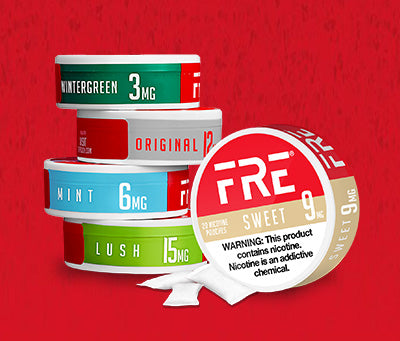
If you're taking a closer look at how nicotine pouches fit into your day-to-day routine, exploring different formats and strengths can help you understand what works best for you. FRE offers a tobacco-leaf-free lineup for adult nicotine consumers. Browse the range to see your options and find a local retailer near you.


