




You might associate nicotine with cigarettes, but it’s also quietly hiding in your everyday food. No need to panic: the amounts are so small they’re considered nutritionally irrelevant. Yet, the subject of nicotine in food, the idea that nicotine appears naturally in common vegetables, is scientifically fascinating just the same. Let’s explore why certain foods, from tomatoes to eggplants, contain nicotine, how it forms, and what it tells us about the chemistry of nature itself.
What Foods Contain Nicotine?
So, what foods have nicotine in trace amounts? Here’s the lineup of natural sources, all members of the nightshade family, which is responsible for many of our culinary favorites.
Nicotine in Vegetables
These common foods contain only trace nanogram low levels of nicotine which is millions of times lower than in tobacco products.
-
Tomatoes: yes, your pasta sauce contains tiny, natural amounts of nicotine.
-
Eggplants (aubergines): among the highest of the non-tobacco nightshades, still at harmless nicotine levels.
-
Potatoes: particularly the peel; trace levels vary with storage and variety.
-
Bell peppers and chili peppers: very low nicotine level, but chemically related through the same plant lineage.
(Source: Sansone 2023; Seigmand 1999.)
In short: you’d need to eat dozens of pounds of eggplants to equal the nicotine in a single cigarette. Please don’t try that.
Nicotine in Fruits
Technically, many “vegetables” we just mentioned, tomatoes, peppers, eggplants, are botanically fruits. Beyond these, there’s no meaningful nicotine content in non-nightshade fruits like apples, oranges, or bananas. Your spaghetti sauce has more in common with a tobacco plant than your fruit salad ever will.
How Does Nicotine Naturally Occur in Plants?
Nicotine belongs to a class of compounds called alkaloids: nitrogen-based molecules that plants produce for self-defense against insects.
In plants from the nightshade family (Solanaceae), which includes tobacco, tomatoes, potatoes, eggplants, and peppers, nicotine is synthesized in the roots and then transported to the leaves, where it helps deter insects while having no meaningful effect on humans when consumed in typical dietary amounts.
To put it in context, many plants produce similar alkaloids you already enjoy:
-
Caffeine in coffee and tea.
-
Theobromine in chocolate.
-
Capsaicin in chili peppers.
Recent studies (Sansone et al., 2023; Papke 2023) show that nicotine’s biosynthetic pathway is a naturally conserved process among several nightshade species, not unique to tobacco, and not harmful in dietary quantities. So while the word nicotine carries a lot of cultural baggage, the chemistry itself is simply nature being clever.
Nicotine: A Plant Paradox
Nicotine is a molecule that defies easy labels. In nature, it’s a stimulant for defense. In human studies, it’s been called pharmacologically paradoxical in that it is capable of both activating and desensitizing receptor systems depending on conditions (Papke 2023). Essentially, it is protective in plants, widely studied in humans, and chemically similar to other alkaloids that flavor our daily lives.
Why It’s Not as Strange as It Sounds
Once you see nicotine for what it is, a natural alkaloid made by plants, it stops feeling mysterious.
Nature loves chemistry and nicotine exists outside of tobacco as a naturally occurring molecule, rather than as an artificial invention. This is why modern products can be made with nicotine derived from non-tobacco sources, extracted or synthesized in ways that mirror these natural plant processes, without using tobacco leaves.
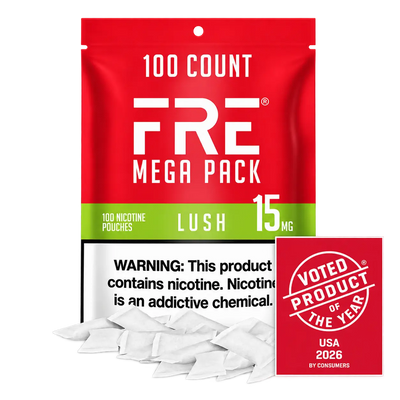
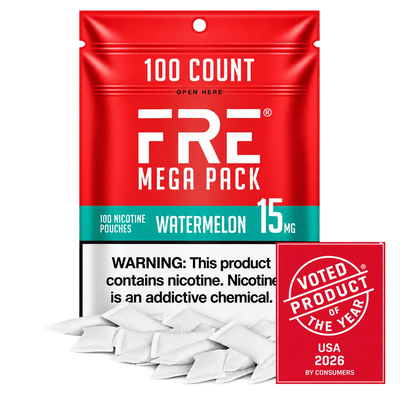
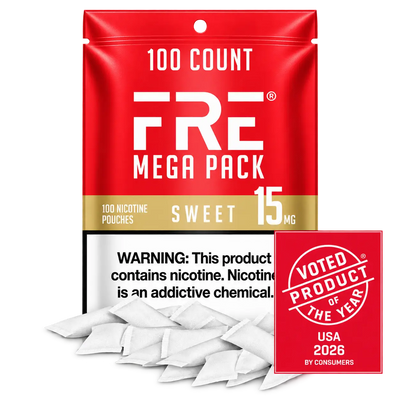
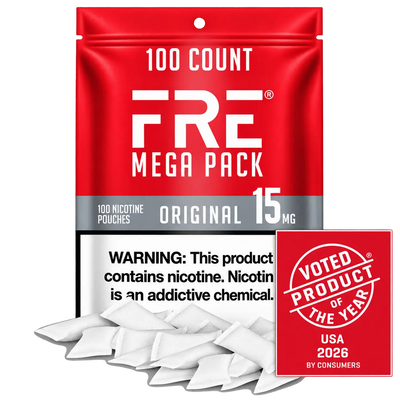
Today, adults who choose to use nicotine have access to new zero tobacco forms of nicotine designed around consistency and discretion. FRE nicotine pouches reflect that shift to a smoke-free, spit-free option and contain nicotine derived only from non-tobacco sources. It’s a modern take on a very old molecule: standardized, refined, and entirely leaf-free.
FRE becomes the symbol of balance — bridging science, nature, and responsible modern use.
Nicotine in Food Frequently Asked Questions (FAQ)
Do tomatoes have nicotine?
Yes, in trace amounts that occur naturally and in levels measured in nanograms per gram; far below any physiological significance
Is nicotine in vegetables?
Certain vegetables in the nightshade family, such as tomatoes, eggplants, potatoes, and peppers, contain trace nicotine, alongside other plant alkaloids, as part of their natural defense system.
What fruits have nicotine?
Only nightshade “fruits” like tomatoes and peppers have measurable traces of nicotine. Common fruits like apples, berries, and melons do not contain nicotine.
Nicotine in food isn’t strange, it’s science. This naturally occurring alkaloid shows up in a handful of everyday vegetables at levels too low to matter nutritionally, but fascinating enough to rethink what “nicotine” really means. Understanding where nicotine comes from helps frame how it’s used today: thoughtfully, precisely, and without tobacco leaves.
FRE nicotine pouches offer a smoke-free, spit-free way to enjoy nicotine derived from non-tobacco sources, designed for adult consumers who value discretion, consistency, and informed choice. Because balance and clarity start with understanding.
FRE nicotine pouches offer a refined, zero-tobacco, discreet way to enjoy nicotine consciously. Find a FRE retailer near you or shop online today.