



For newer stock car racing fans, ARCA vs. NASCAR can feel like one of those things that everyone else already understands. The cars look familiar, some tracks overlap, drivers may move between series, and broadcasts may even happen on the same race weekend. So is ARCA part of NASCAR? Is it a step below NASCAR, or is it its own thing entirely?
The simplest answer is that ARCA and NASCAR are connected, but they are not the same level of the stock car ladder. NASCAR acquired ARCA in 2018 after a long relationship between the two organizations, and the ARCA Menards Series now sits inside NASCAR’s broader development ecosystem. NASCAR itself describes ARCA as a pillar of its regional platform and a primary feeder series for the national series.
Comparing ARCA racing vs. NASCAR is less like comparing two rival worlds and more like comparing different floors of the same very loud building.
What Is ARCA Racing?
ARCA stands for Automobile Racing Club of America, but the series began in 1953 as the Midwest Association for Race Cars (MARC) before later becoming ARCA. Its roots are regional and deeply tied to the American short-track tradition.
Today, the ARCA Menards Series is a national stock car series where developing drivers, smaller teams, veteran racers, and future NASCAR hopefuls compete on a mix of superspeedways, road courses, dirt tracks, and short tracks. The schedule includes major venues like Daytona International Speedway, as well as tracks like Phoenix Raceway, Michigan International Speedway, Pocono Raceway, Berlin Raceway, Elko Speedway, and others.
ARCA gives drivers a place to learn race craft before they reach NASCAR’s national spotlight. Drafting at Daytona, managing restarts on short tracks, learning tire wear, working with spotters, understanding race strategy, and handling pressure in traffic are all critical skills, and ARCA gives drivers a place to gather those miles before the stakes get bigger and the cameras get nosier.
How NASCAR Is Structured
When most fans say “NASCAR,” they usually mean the NASCAR Cup Series. The Cup Series is the top level with the largest audiences, where the biggest teams and most recognizable names compete. Beneath that are NASCAR’s other national series, including the series many longtime fans still seek out as the Xfinity Series, along with the Truck Series. NASCAR’s official site now lists the second-tier national series as the O’Reilly Auto Parts Series, but the Xfinity name remains common in fan searches and older conversations.
Auto racing loves a zigzag, and not every driver follows the same path. Still, drivers may move from local racing into ARCA, then into Trucks, then into the second-tier national series, and eventually into Cup. Some drivers bring sponsorship, some bring raw speed, some bring years of short-track seasoning, and some arrive with all three, plus a rough-and-tumble full-time crew chief drinking gas-station coffee at 6 a.m.
Cars and Equipment: Similar Shape, Different Level
Both ARCA and NASCAR are built around the stock car, but the equipment, budgets, engineering depth, and competition structure differ.
ARCA cars are purpose-built race cars that often look familiar to NASCAR fans because they share stock-car DNA. ARCA teams operate under their own rule book with technical controls to manage competition and costs. Ilmor’s ARCA engine program is one example of how the series has worked to create a more controlled and durable engine package.
NASCAR Cup teams, by comparison, operate at the highest and most expensive level of American stock car racing. The engineering, simulation work, pit crew specialization, travel operation, sponsorship demands, and weekly intensity are all larger. A Cup organization is more than a race team. It’s a rolling factory, media company, and full-time logistics department.
Schedules and Tracks
The ARCA schedule includes a wide range of tracks, which is part of its value as a development series. Drivers may race at superspeedways, intermediate tracks, road courses, dirt venues, and short tracks, a variety that helps expose younger racers to different forms of stock car racing before they move deeper into NASCAR’s national structure.
NASCAR’s Cup schedule is more nationally visible and built around major race weekends. Cup teams race across a demanding calendar, with events at superspeedways, intermediate tracks, road courses, short tracks, and specialty venues. The Cup schedule also attracts the largest commercial attention, which is why a solid Cup run can change a driver’s career very quickly.
ARCA series races may be less commercially massive, but they are often where fans first spot a driver before everyone else catches up.
Competition Level and Driver Development
The biggest difference between ARCA and NASCAR is not whether one is “real racing.” Both are real. The difference lies in where each sits on the development ladder.
ARCA fields can include teenagers gaining experience, part-time competitors, regional standouts, veteran racers, and drivers connected to larger development programs. Some drivers run full-time, while others enter select events based on budget, schedule, sponsorship, or team strategy.
NASCAR’s national series, especially Cup, demands more experience, more resources, and more week-to-week consistency. The cars are faster, and the racing environment is less forgiving. Watching ARCA is a little like watching the early chapters before a driver becomes a household name. You get to see the rough edges, the flashes of confidence, and the occasional “well, that restart was certainly educational.”
Prize Money and Team Budgets
Prize money is another factor that separates ARCA from NASCAR. ARCA publishes awards guides and event documents that describe purse and contingency structures, while Cup purses operate on a much larger scale. For example, the 2026 Daytona 500 purse was reported at more than $31 million, while ARCA event prize structures are much smaller and often include contingency-award conditions. In plain terms, ARCA is still professional racing, but NASCAR Cup is the big-money, big-infrastructure end of the sport.
How to Watch ARCA and NASCAR
ARCA races are broadcast across platforms such as FS1, FS2, FloRacing, FOX Sports Live, MRN, SiriusXM, and ARCARacing.com, depending on the event. NASCAR’s national series races are covered through larger broadcast and streaming arrangements, with Cup drawing the biggest audience and media attention. For fans, that means ARCA is very watchable, especially if you enjoy tracking emerging drivers before they become obvious picks.
Who Should You Cheer For?
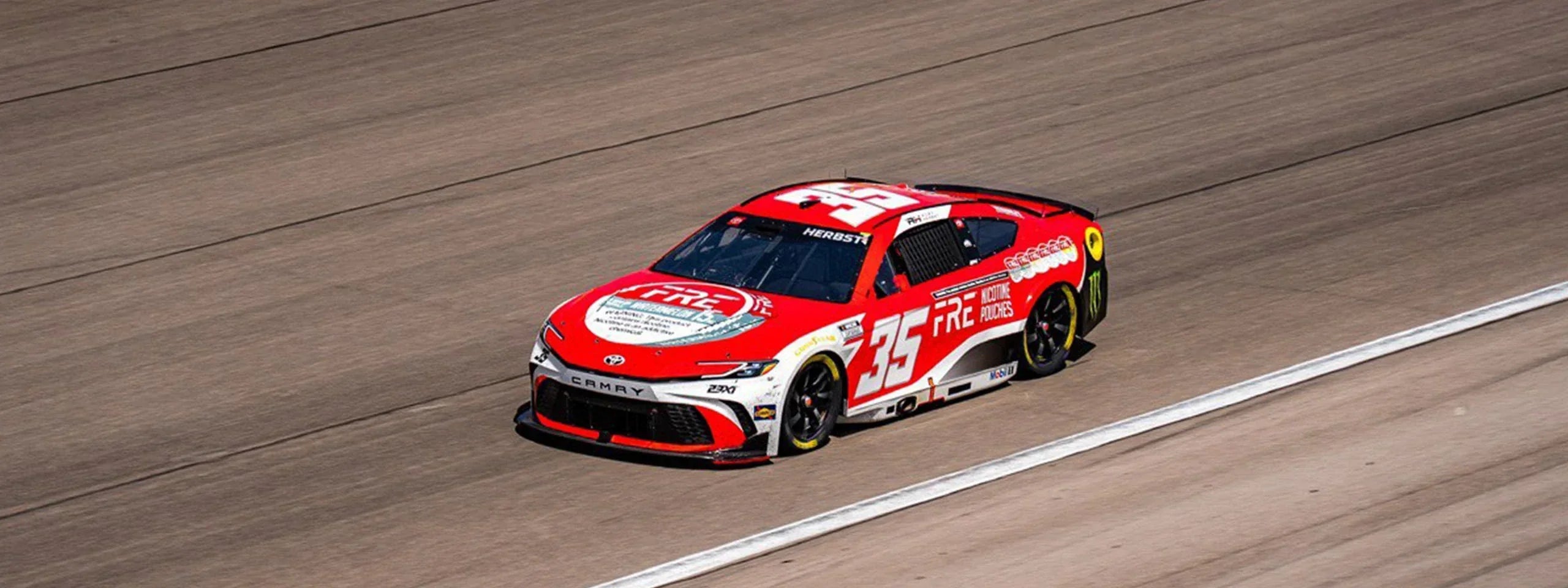
The good news is that when it comes to watching, it’s not ARCA vs NASCAR, so you don't have to choose only one rung of the ladder. If you follow NASCAR Cup, FRE fans can cheer for Riley Herbst, who drives the No. 35 Toyota for 23XI Racing in the Cup Series. FRE announced its partnership with Herbst and the No. 35 team in 2026, bringing the brand into NASCAR’s top level.
If you follow ARCA, Taylor Reimer gives fans a driver to watch as she continues building her stock car career. Reimer, from Tulsa, Oklahoma, is scheduled for select ARCA Menards Series events with Pinnacle Racing Group, and FRE announced a 2026 partnership with Taylor Reimer Racing across four ARCA race weekends.
Whichever side of the stock car ladder you follow, FRE has a driver in the field. Cheer Riley Herbst on Sunday in the NASCAR Cup Series, watch Taylor Reimer climb the ranks in ARCA, and rep the brand backing both. Pick up FRE nicotine pouches online or at trusted retailers near you, and head into race day with your tin ready and your driver picked.


